Description
- Agile overview and features
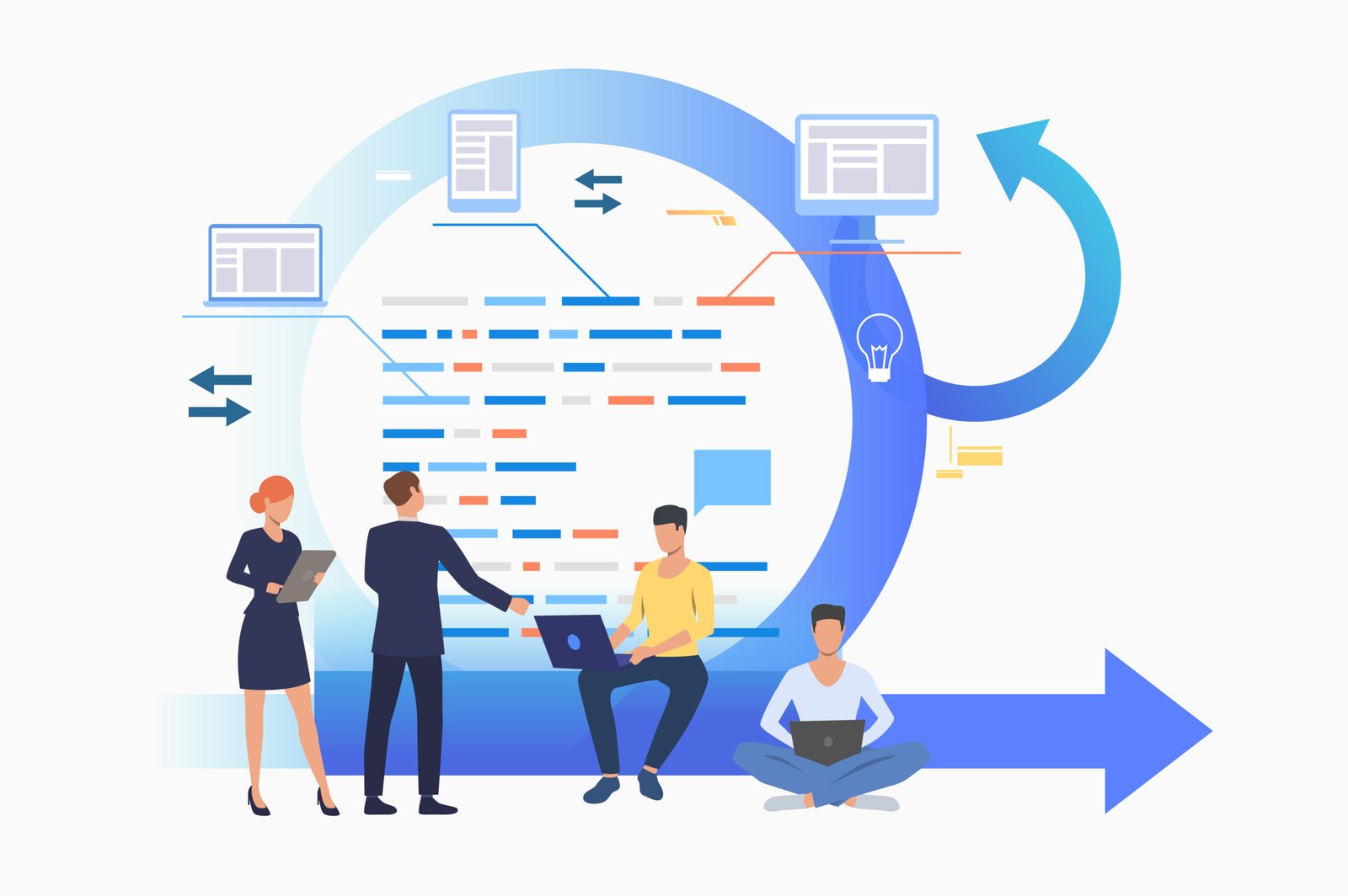
- Agile is a lightweight, iterative approach to product development that emphasizes delivering small, valuable increments frequently.
- Iterations (sprints) are short timeboxed cycles (commonly 1–4 weeks) used to plan, build, review, and adapt work rapidly.
- Customer collaboration and continuous stakeholder feedback drive priorities and ensure the team builds what delivers real value.
- Working software over documentation: teams prioritize usable increments and validate assumptions with real outcomes.
- Cross‑functional teams own design, development, testing, and delivery to reduce handoffs and increase velocity.
- Product backlog and refinement keep work visible, prioritized by value, and ready for upcoming iterations.
- Empirical planning uses inspection and adaptation (retrospectives, reviews) to continuously improve processes and estimates.
- Technical excellence practices—TDD, continuous integration, automated testing, and refactoring—reduce risk and support frequent releases.
- Continuous delivery and DevOps alignment enable frequent, reliable deployments and faster feedback loops.
- Metrics and outcomes focus: lead time, cycle time, throughput, quality, and customer satisfaction guide decisions more than activity-based measures.
- Servant leadership and facilitation from Scrum Masters or Agile coaches remove impediments and foster team autonomy.
- Product ownership balances stakeholder needs, defines the vision, and maximizes product value through prioritization.
- Scaling Agile across programs and portfolios uses frameworks like SAFe, LeSS, or Nexus to coordinate multiple teams and align strategy to delivery.
- Architectural runway and emergent design let teams evolve architecture incrementally while protecting long‑term scalability and performance.
- Governance and compliance in Agile integrate lightweight controls, regular audits, and automated checks to meet regulatory needs without blocking flow.
- Advanced practices include value stream mapping, feature toggles, trunk‑based development, and platform engineering to accelerate delivery at scale.
- Leadership expectations for 3–20 year candidates: demonstrate domain and technical depth, coach teams on outcomes, scale practices, measure impact, and embed continuous improvement into culture.