Description
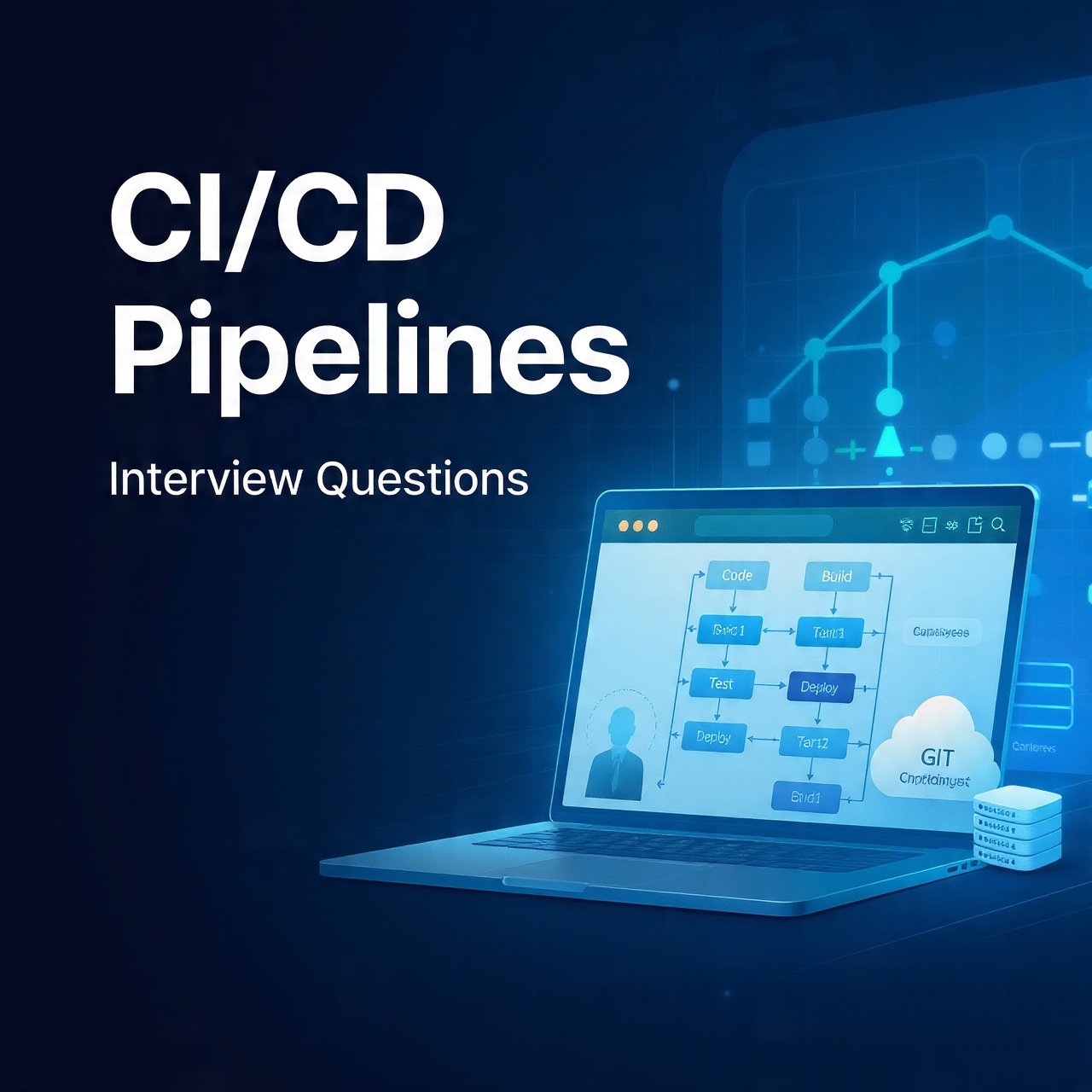
- CI CD Pipelines Features Basics to Advanced
- Continuous Integration automates building and testing code on every commit to catch issues early.
- Continuous Delivery and Deployment automate packaging and releasing artifacts to staging or production environments.
- Source control integration with Git enables branch strategies, PR triggers, and traceability across Jenkins, GitHub Actions, GitLab CI, and Azure DevOps.
- Pipeline as code stores CI/CD definitions in YAML or scripted pipelines for versioning and reproducibility.
- Build and test stages include unit, integration, and security tests run in isolated runners or agents.
- Artifact management publishes and stores build outputs in registries or package feeds for promotion.
- Environment promotion supports gated deployments, approvals, and blue/green or canary release patterns.
- Secrets and credential management uses vaults or platform secrets to protect keys and tokens.
- Infrastructure as Code integrates Terraform, ARM, or Bicep to provision and validate environments automatically.
- Container and orchestration support builds, scans, and deploys Docker images to Kubernetes or serverless targets.
- Security and shift-left testing embed SAST, dependency scanning, and license checks into pipelines.
- Observability and tracing capture pipeline metrics, logs, and deployment telemetry for SRE workflows.
- Parallelism and caching speed pipelines with concurrent jobs, artifact caches, and incremental builds.
- Policy and compliance gates enforce RBAC, policy-as-code, and automated compliance checks before release.
- Self-healing and rollback automate retries, health checks, and safe rollbacks on failure.
- Extensibility and marketplace integrations allow plugins, actions, and custom steps to connect CI/CD to the wider toolchain.